

Tire Wear Patterns Explained: Causes, Warning Signs, and Fixes
You're washing your car or airing up your tires, and suddenly you notice the treads look thinner on one edge or completely smooth in certain spots.
The first thought that pops up is that it's just random tire wear, but
that's not always the case. Tire wear patterns can sometimes point to something
far deeper.
Uneven tire wear reveals issues related to alignment, worn suspension,
or even how you drive. And if you catch it early, you can fix the problem
before it eats into your wallet and your tires.
Whether you're heading down Highway 210, running errands around downtown
Staples, or making the drive out toward Motley, your tires take on a lot. And uneven tire wear doesn't just
affect your ride comfort, it impacts handling, fuel
efficiency, and safety too.
So, what causes it, how can you fix it, and when should you visit a
professional? Let's break down what each tire wear pattern means and what you
can do to make your tires last longer.
Understanding Tire Wear Patterns (Tire Wear
Chart)
Your tire tread can reveal a lot about your vehicle's condition. Here's
a quick tire wear chart to help you identify what's happening:
|
Tire Wear Pattern
|
Appearance
|
Likely Cause
|
Fix
|
|
Inner Tire Wear
|
Inside edge worn, outer edge normal
|
Wheel misalignment or worn suspension
|
Schedule a wheel alignment and inspect suspension
|
|
Outer Tire Wear
|
Outer edge worn more than inner
|
Underinflation or cornering too hard
|
Inflate properly and check alignment
|
|
Center Wear
|
Middle of tread worn more than edges
|
Overinflation
|
Adjust tire pressure to factory specs
|
|
Cupping / Scalloping
|
Wavy or bumpy pattern across tread
|
Bad shocks or unbalanced tires
|
Replace shocks and balance tires
|
|
Feathering
|
Tread ribs smoother on one side
|
Incorrect toe alignment
|
Realign tires
|
|
Patchy Wear
|
Random smooth spots across tread
|
Tire imbalance or uneven braking
|
Tire balancing or brake service
|
Each pattern offers a clue about what's happening underneath your
vehicle.
Let's Explore the Causes of Uneven Tire Wear
Knowing what causes uneven tire wear can help you catch problems early
and keep your drive smooth and safe. Here are the most common culprits and what
you can do about them.
1. Misalignment
If your wheels aren't perfectly aligned, your tires won't meet the road
evenly. One edge might carry more of the load, leading to inner tire wear or
outer edge wear.
Alignment issues develop gradually, especially after hitting potholes,
driving rough roads, or clipping a curb (which happens to the best of us). Even
a slight misalignment changes how your tires contact the pavement.
Service Tip: If your car pulls to one side or your steering wheel feels off-center,
it's time to get a wheel alignment check. Catching it early saves your tires
and your wallet.
2. Improper Tire Pressure
Tire pressure plays a major role in how evenly your tires wear out.
Overinflated tires cause the center of the tread to wear faster because the
tire bulges outward. Underinflated tires wear down on the outer edges first
since the sides carry more of the load.
Keeping your tires at the manufacturer's recommended PSI, found on the
sticker inside your driver's door. It ensures balanced contact with the road.
Don't Neglect Tire Pressure: Check your tire pressure at least once a month and always when the
tires are cold. Proper inflation improves wear, fuel economy, and ride comfort.
3. Worn Suspension Components
Your suspension system includes the shocks, struts and ball joints, and
it keeps your tires planted firmly on the road. When these wear out, your tires
can bounce, lean, or lose consistent contact, leading to cupping or scalloped
tire wear patterns.
Get an Inspection: If you feel a bouncy ride, hear knocking noises, or notice uneven tire
wear, have your suspension inspected. Replacing worn parts early prevents
further tire damage and restores a smoother drive.
4. Improper Tire Rotation
Every wheel position experiences different forces. The front tires
handle steering and most of the braking, while the rear tires mainly provide
stability. Without regular rotation, some tires wear down much faster than
others.
Service Tip: Rotate your tires every 5,000–7,500 miles or with every oil change. This
simple step can add thousands of miles to your tire life and maintain
consistent traction.
5. Aggressive Driving Habits
Your driving style can make or break your tires. Fast cornering, sudden
stops, and hard acceleration put uneven stress on the tread, leading to patchy
or premature tire wear.
Rapid acceleration causes heat buildup that thins the tread in spots.
Sudden braking creates flat spots where tires lock and skid against the road.
Sharp turns place extra force on the shoulders, wearing them faster.
Change your Driving Style: Drive smart to make those tires last, ease into acceleration and
braking, take corners smoothly, and use cruise control on highways. Gentle,
consistent driving helps your tires wear evenly, keeping your ride safer,
smoother, and more fuel-efficient.
The Risks of Ignoring Uneven Tire Wear
Uneven tread affects nearly every aspect of your car's safety and
performance. Here's what can happen if you let it slide:
·
Reduced traction: Uneven tires can't grip the road evenly, especially on wet Minnesota
roads in rain or snow.
·
Longer braking distances: Worn tires lose their ability to stop quickly.
·
Increased fuel consumption: Misaligned wheels cause drag, making your
engine work harder.
·
Shorter tire life: You'll end up replacing tires much sooner than expected.
·
Potential safety hazards: In extreme cases, severely uneven wear can lead to tire blowouts.
That's why it's important to schedule an inspection as soon as you
notice any unusual tread wear.
Get Chevy Tire Service at Nyhus Chevrolet
At Nyhus Chevrolet, we help Staples drivers fix uneven tire wear before
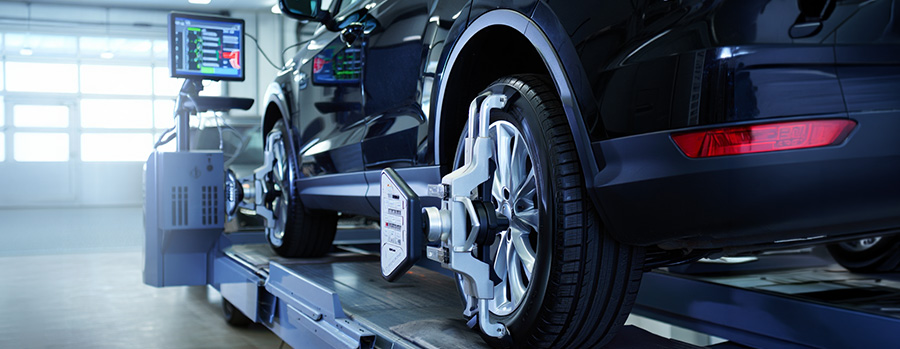
it turns into a costly repair. Our certified service team checks your wheel
alignment, suspension, and tire condition using advanced diagnostic tools to
make sure everything is road-ready, whether you're driving a Chevy Silverado,
Equinox, Traverse, or any other make and model.
Whether you're dealing with inner tire wear, vibrations, or just need a
routine checkup, our Chevy tire service in Staples keeps your drive safe,
smooth, and fuel-efficient all year round, especially heading into those long
Minnesota winters.
Don't wait until your tires give out on you. Schedule a wheel alignment or tire inspection in Staples today and let's keep your car performing at its best, mile after mile.