

How Often Should You Change Your Oil: Oil Service Schedule & Overdue Warning Signs
If you live and drive in Central Minnesota, you already know what your vehicle is up against. Cold starts in sub-zero Todd County mornings, heavy hauling down Highway 10, and everything in between.
It's no
secret these things add up fast on an engine.
So, in the
state of constant environmental stress, regular maintenance is the best way to
keep the engine working smoothly and staying on top of oil service is one of
the simplest and most cost-effective thing you can
do.
Understanding
your oil change frequency and oil change interval, especially when considering
a synthetic oil change or full synthetic oil change, is key to protecting your
engine in a place like Staples.
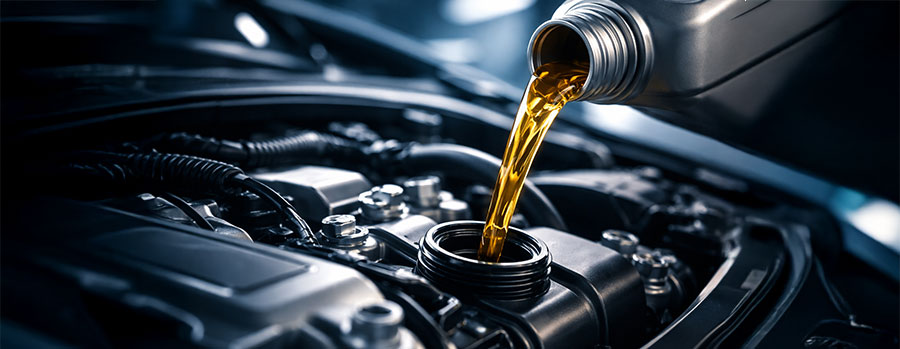
At Nyhus
Chevrolet, we’ve worked with thousands of drivers across Central Minnesota, and
we’ve seen exactly what happens when oil changes are delayed, especially during
harsh winters. Whether you drive a truck, SUV, sedan, or anything in between,
regular oil service is essential.
In this
guide, we’ll walk you through:
·
Why
regular oil changes matter in Minnesota weather
·
How
often you should change your oil
·
Warning
signs you might be overdue for oil change
·
Smart
ways to stay on schedule
·
Why
synthetic oil is a smart choice for Minnesota drivers
Let’s dive
in and make sure your vehicle gets the care it deserves.
Why Regular
Oil Changes Matter in Minnesota Weather
Think of
your engine as a system that’s constantly in motion. Oil keeps everything
running smoothly by reducing friction, managing heat, and carrying away
contaminants.
Over time,
however, oil begins to break down, and in Minnesota, that process happens
faster than many drivers expect. Cold temperatures, short trips, and seasonal
changes all put additional strain on your oil.
When oil
loses its effectiveness, several issues can follow:
·
Increased
engine wear from poor lubrication
·
Reduced
fuel efficiency
·
Higher
risk of overheating or internal damage
·
Shortened
overall engine lifespan
Skipping an
oil change might seem harmless at first, but over time, it can lead to
significantly higher repair costs.
How Often
Should You Change Your Oil?
This is one
of the most common questions drivers ask, and the answer depends on both your
vehicle and how you use it.
In central Minnesota,
climate plays a major role. Frequent cold starts for vehicles in winter and
fluctuating temperatures throughout the year mean oil doesn’t last as long as it might in milder regions.
Here’s a
quick breakdown of how long each oil lasts:
Conventional
Oil: Older
vehicles or some budget-friendly models may use conventional oil. For these,
the typical oil change frequency is every 3,000 to 5,000 miles.
Synthetic
Blend Oil: This is a
mix of conventional and synthetic oil. It lasts longer and protects better
under temperature fluctuations, making it suitable for Central Minnesota
conditions. The oil change interval for blends is usually around 5,000 to
7,000 miles.
Full
Synthetic Oil: If your
vehicle uses full synthetic oil, you’re in luck. Synthetic oil change intervals
can stretch up to 7,500 or even 10,000 miles, depending on your driving
habits and vehicle model. Full synthetic oil change services also offer the
best protection against engine wear and temperature extremes.
Still, even
with synthetic oils, it’s important to follow your owner’s manual or your
technician’s recommendation. Some vehicles, especially performance-oriented
ones, need more frequent servicing.
Signs
You’re Overdue for an Oil Change
1.
Dashboard Warning Lights: Oil Change or Check Engine
The oil
change light typically means the oil level is low, or the oil itself is
degraded. The check engine light could point to more serious issues, including
oil pressure problems or engine wear. Don’t ignore these lights,they’re alerts that your vehicle needs attention.
2. Oil
Looks Dirty or Feels Gritty
Clean oil
is amber-colored and smooth. Over time, it collects contaminants and turns
dark. You can check this by pulling out the dipstick and wiping it clean. If
the oil looks black, thick, or gritty, it’s no longer doing its job. Dirty oil
can’t lubricate properly, leading to increased friction and engine wear.
3. Engine
Sounds Louder Than Usual
Oil
cushions the moving parts inside your engine. When it breaks down, you might
hear tapping, ticking, or knocking sounds, especially when starting the car or
accelerating. These noises are often a sign that metal parts are grinding
together. Persistent knocking could mean internal damage is already happening.
4. Smoke
from the Exhaust
While some
vapor is normal, especially during cold Minnesota mornings, blue or gray smoke
from the tailpipe may indicate that oil is burning inside the engine. This
could be due to worn seals or piston rings. Black smoke might suggest oil
contamination affecting fuel combustion.
5. Burning
Oil Smell Inside the Cabin
A sharp,
burnt smell inside your car could mean oil is leaking onto hot engine
components. This is not only bad for your engine, it can also be a fire hazard.
If you smell burning oil, avoid long drives and get your vehicle inspected
immediately.
6. Sluggish
Performance or Poor Fuel Economy
Old oil can
thicken and lose its lubricating properties, making your engine work harder.
You might notice slower acceleration, rough idling, or a drop in fuel
efficiency. Regular synthetic oil changes help maintain smooth performance and
better mileage.
How to Stay
on Schedule with Your Oil Changes
Staying on top of your oil change schedule means you are protecting your engine, improving fuel efficiency, and avoiding costly repairs down the road. Regular oil changes help your vehicle run smoother, last longer, and perform at its best.
1. Set
Simple Reminders
Whether
it’s a calendar alert on your phone or a note in your glove box, setting up a
reminder right after your service is done ensures you won’t forget. Most
synthetic oils last between 7,500 to 10,000 miles, so plan
ahead.
2. Pay
Attention to Your Vehicle’s Behavior
If you
notice unusual engine sounds, burning smells, sluggish performance, or
increased exhaust smoke, don’t ignore them. These could be signs your oil is
overdue and catching it early can prevent bigger issues.
3. Stick
With One Trusted Service Center
Choosing
one trusted service center for all your vehicle maintenance can make a big
difference. When your service history is tracked in one place, it’s easier to
stay on top of routine care without having to remember every detail yourself.
At Nyhus
Chevrolet, your service history is tracked and reminders are provided when it’s
time for your next visit, making it easier than ever to keep your vehicle in
top shape.
Why
Synthetic Oil Is Worth the Upgrade in Staples
Central
Minnesota’s climate can be tough on engines. Freezing winters, temperature
swings, and stop-and-go driving all put stress on your oil. That’s where
synthetic oil stands out.
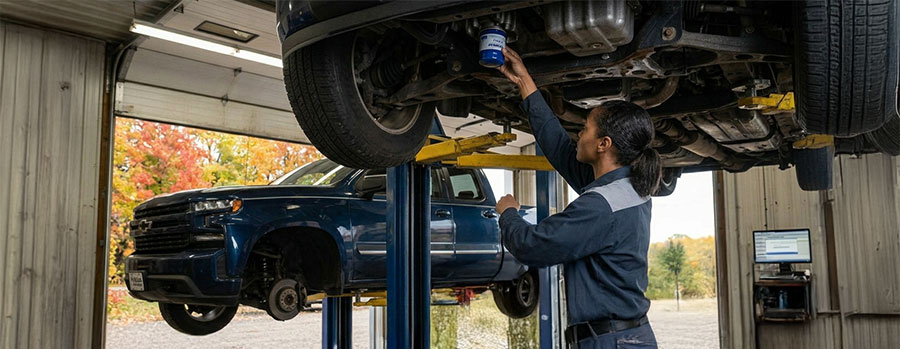
Here’s why
more Staples drivers are choosing synthetic oil changes:
Better
Cold-Weather Performance: Synthetic
oil flows more easily in freezing temperatures, protecting your engine during
cold starts.
Cleaner
Engine: It resists
sludge and deposit buildup.
Improved
Fuel Economy: Less
friction means your engine doesn’t have to work as hard.
Longer
Intervals: A full
synthetic oil change can last significantly longer than conventional oil,
reducing how often you need service.
So yes,
synthetic oil costs a bit more upfront, but it can actually save you money in
the long run.
Schedule
Your Oil Change in Staples Today
Your
vehicle is built to handle tough conditions, but it depends on proper
maintenance to do so. Staying on schedule with oil changes is one of the most
effective ways to protect your engine and avoid unnecessary repairs.
If you
notice warning signs or are approaching your recommended interval, don’t wait.
Schedule
your next synthetic oil change or full synthetic oil change with the
experienced team at Nyhus Chevrolet. We service all makes and models and
understand exactly what vehicles in Central Minnesota need to perform at their
best.
Book your appointment today and keep your vehicle ready for every mile.