

Complete Vehicle Care: From Routine Auto Service to Collision Repair
Your vehicle does a lot of work every day. It gets you to work, school, appointments, errands, and weekend destinations, often without much thought about what is happening under the hood. But whether your vehicle needs routine maintenance, a mechanical repair, or collision work after an accident, getting the right service at the right time can help keep you safely moving down the road.
The good
news is that you don't necessarily need to visit different shops for every
automotive concern. A full-service auto repair facility can handle many of the
maintenance and repair needs that come with vehicle ownership, while a
dedicated collision center can help restore your vehicle after an accident.
At Nyhus
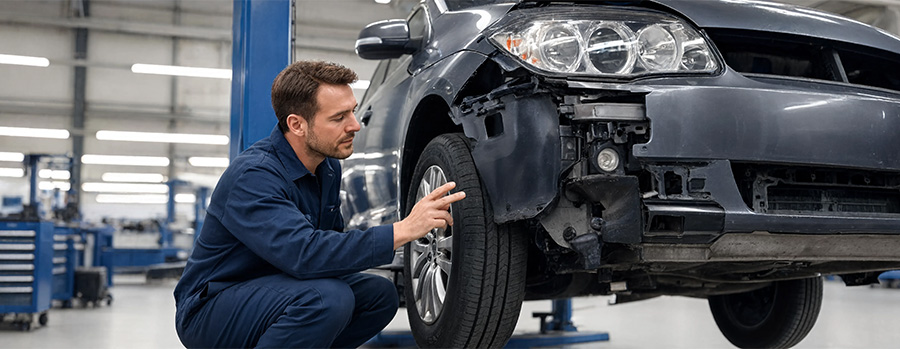
Chevrolet in Staples, MN, drivers can turn to a service and repair center for
their ongoing automotive needs as well as a Collision Center and Body Shop for
accident-related repairs.
What Does Full-Service Auto Repair Include?
Full
service auto repair goes beyond fixing a single problem. It generally refers to
a broad range of maintenance, inspections, diagnostics, and mechanical repairs
designed to keep a vehicle operating properly.
Routine
services can include oil and filter changes, tire inspections, brake service,
battery checks, fluid services, and other scheduled maintenance. More involved
repairs may address components such as the engine, suspension, steering,
heating and air conditioning systems, or other mechanical systems.
At Nyhus
Chevrolet, Certified Service technicians perform maintenance and inspections
designed to identify potential concerns before they become larger problems. A
multi-point inspection can include checks of tire condition, brakes, fluid
levels, battery condition, wipers, glass, and other important vehicle
components.
Regular
maintenance is particularly important because not every vehicle problem
announces itself with a loud noise or warning light. A tire can gradually wear
unevenly. Brake components can become worn over time. A battery can lose its
ability to hold a charge before it eventually leaves you with a vehicle that
won't start.
Staying
current with recommended maintenance gives you an opportunity to catch these
concerns earlier.
When Does Your Vehicle Need Auto Repair
Service?
Knowing
when to schedule an auto repair service isn't always obvious. Some problems are
easy to recognize, while others develop gradually.
Keep an
eye out for changes such as:
·
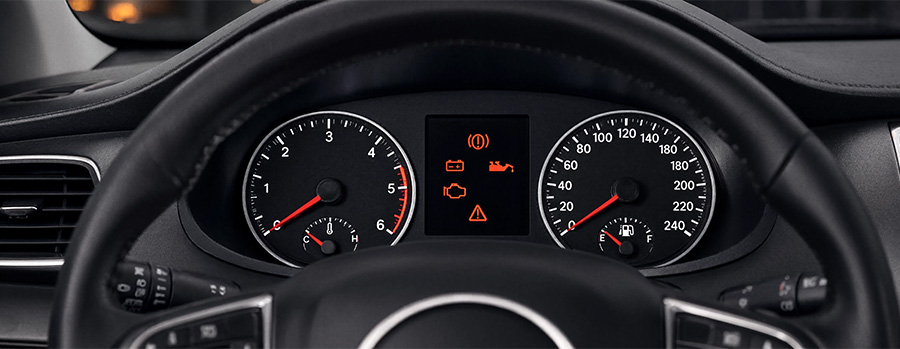
Warning lights appearing on the dashboard
·
Unusual engine or exhaust noises
·
Vibrations while driving
·
Difficulty starting the vehicle
·
Changes in braking performance
·
Uneven or accelerated tire wear
·
Fluid leaks
·
Reduced fuel economy
·
Problems with heating or air conditioning
·
Unusual steering or handling behavior
These
symptoms don't necessarily point to one specific problem. For example, a
vibration could be related to tires, wheels, brakes, suspension components, or
other systems. That's why proper diagnosis matters before replacing parts or
assuming you know the cause.
If
something about your vehicle doesn't feel, sound, or operate the way it
normally does, an inspection can help determine whether maintenance or repair
is needed.
Routine Maintenance and Auto Repair Aren't
the Same Thing
It's
easy to use "maintenance" and "repair" interchangeably, but
they serve different purposes.
Maintenance is performed to help keep
your vehicle operating properly and to address scheduled service needs. Oil
changes, tire rotations, inspections, and fluid checks are common examples.
Repair addresses a component or
system that has developed a problem or failed. Brake repairs, battery
replacement, suspension repairs, and engine-related work are examples.
The two
are closely connected. Regular maintenance doesn't guarantee that a vehicle
will never need repairs, but it can help identify developing problems and keep
important components operating as intended.
Your
owner's manual is a useful starting point for understanding the maintenance
schedule for your specific vehicle. Service intervals can vary based on the
vehicle, engine, mileage, driving conditions, and other factors.
What Is Collision Repair?
Not
every automotive problem develops gradually. Sometimes damage happens in
seconds.
A
collision can leave behind anything from a small dent to significant body or
mechanical damage. Even when a vehicle appears to be drivable after an
accident, it can be difficult to know the full extent of the damage without a
proper inspection.
Collision
repair can address damage such as:
·
Dents and body damage
·
Damaged bumpers
·
Paint damage
·
Body panel damage
·
Damage from larger collisions
·
Certain mechanical damage related to an accident
The type
of repair required depends on the severity and location of the damage.
Nyhus
Chevrolet's Collision Center and Body Shop offers dent repair, paint services,
body repair, engine repair, and additional collision-related services. The
dealership also states that its team can work with insurance companies, which
can help simplify part of the repair process after an accident.
What Should You Look for in an Auto Service
Center?
Choosing
an auto service center isn't just about finding the closest place to your home.
You want a facility that can properly diagnose the issue, explain what your
vehicle needs, and perform the appropriate work.
Consider
factors such as technician training, diagnostic capabilities, available
services, parts quality, inspection procedures, and the facility's experience
with your vehicle.
For
Chevrolet owners, working with a Chevrolet service facility can also provide
access to technicians who are familiar with the brand's vehicles and service
requirements. Nyhus Chevrolet's service department identifies its technicians
as Certified Service experts and serves drivers in Staples and surrounding
communities.
It's
also worth asking questions when a repair is recommended. A good service
experience should leave you with a clearer understanding of what needs
attention, why it matters, and what the next steps are.
What About Express Auto Service?
For
drivers with busy schedules, an express auto service option can be convenient
for certain routine maintenance needs. These services are generally intended
for jobs that can be completed relatively quickly, depending on the vehicle and
the work required.
However,
not every repair is suitable for an express service visit. More complicated
diagnostics, mechanical repairs, or collision work may require additional
inspection and technician time.
Before
scheduling an express auto repair appointment, it's a good idea to confirm that
the service you need is appropriate for that type of visit.
Don't Ignore Collision Damage
After an
accident, it's understandable to focus first on whether the vehicle can still
be driven. But cosmetic damage isn't the only concern.
A
collision can affect components behind the visible body damage. That's why
having the vehicle inspected can help determine what repairs are actually
necessary.
If
insurance is involved, the repair process can also seem overwhelming.
Estimates, claims, parts, documentation, and communication with the insurance
company can all add stress to an already difficult situation.
Nyhus
Chevrolet's Collision Center and Body Shop states that its team works with
insurance companies to help customers through the process.
Keep Your Vehicle Ready for the Road
Your
vehicle doesn't have to wait for a major problem before it receives attention.
Routine maintenance can help you stay ahead of developing issues, while timely
auto repair can address problems when they arise. And if an accident leaves
your vehicle damaged, collision repair can help restore its appearance and
function.
Whether
you need an oil change, brake inspection, diagnostic service, mechanical
repair, or collision work, having a dependable automotive service center gives
you one less thing to worry about.
For drivers in Staples, Wadena, Perham, and nearby communities, Nyhus Chevrolet provides automotive service and repair along with a Collision Center and Body Shop at its Staples location. When your vehicle needs attention, schedule service or contact Nyhus Chevrolet to discuss the appropriate next step for your vehicle.