

Chevrolet Power Steering Fluid, Leaks & Repairs: What Every Driver Should Know
When you turn your steering wheel to pull into a tight parking space or navigate a curving country road, you expect the wheels to respond smoothly and effortlessly. You rarely think about the massive amount of physical force required to turn thousands of pounds of vehicle weight, until that effortless feel suddenly disappears.
When
steering becomes stiff, noisy, or jerky, a simple drive can quickly feel like a
heavy workout.
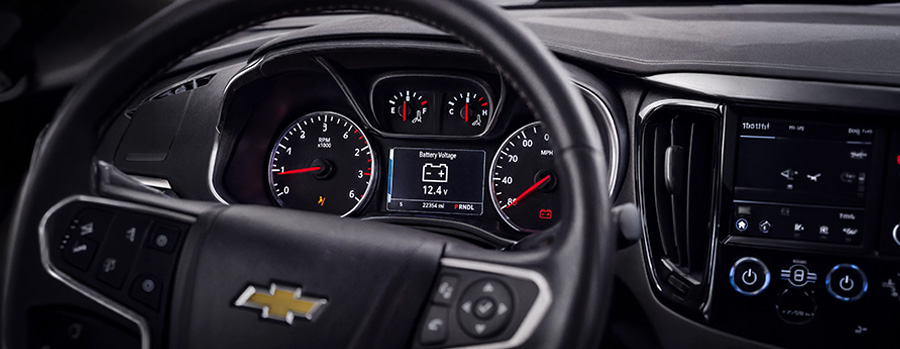
At
Nyhus Chevrolet, we strive to make vehicle service easy and effortless. Most
hydraulic steering issues stem from fluid degradation, pressure drops, or
neglected component wear. Understanding how the system operates, recognizing
fluid changes, and staying on top of power steering system service staples is
the best way to keep your steering light, responsive, and predictable.
What
Does Healthy Fluid Look Like? Decoding Power Steering Fluid Color
One of the easiest ways to monitor your steering system's health is by periodically checking the reservoir under the hood. The condition of the fluid tells a clear story about what is happening inside the closed hydraulic loop.
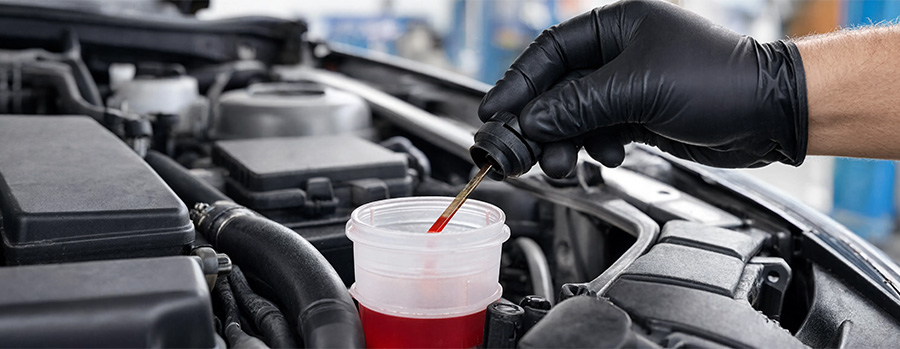
Paying
attention to power steering fluid color helps you catch component wear
long before the pump begins to whine:
- Clear, Amber, or Pinkish Red (Fresh Fluid): Fresh power steering fluid (or ATF, depending on your vehicle's factory specifications) is translucent and clear, typically with a light amber or reddish tint. It should be free of debris and flow smoothly.
- Dark Brown or Black (Aged/Oxidized Fluid): Over time, intense operational heat breaks down the protective additives in the fluid. As the oil oxidizes and collects microscopic bits of degrading rubber hose, it turns dark, muddy brown or black. This is a clear indicator that the fluid can no longer properly lubricate the pump or seals.
- Milky or Frothy Appearance (Moisture or Air Contamination): If the fluid looks foamy, bubbly, or milky brown, air is getting sucked into the hydraulic lines, or water has entered the system. Aerated fluid compresses easily, causing stiff turning and a distinct whining noise when turning the wheel.
-
Glittery or Metallic
Flakes (Internal Mechanical Wear): Seeing tiny metallic
particles shimmering in the reservoir is a warning sign. It indicates that
internal metal components inside the pump or steering rack are grinding against
each other due to inadequate lubrication.
Spotting
the Warning Signs: Drops in Pressure and Leaks
Hydraulic
systems require a steady, leak-free environment to maintain pressure. When a
breach occurs, steering effort increases dramatically.
A
physical power steering fluid leak is one of the most common steering issues
drivers encounter. Because the fluid operates under high pressure, a small
crack in a hose can quickly empty your reservoir.
Common Signs of a Fluid
Leak or Pressure Loss:
-
The High-Pitched Whine: If turning your wheel creates a loud groaning or whining
sound that gets louder as engine speed increases, the power steering pump is
running low on fluid and cavitating (sucking in air).
-
Heavy or
"Notchy" Steering: If the steering wheel
feels heavy when cold, stiffens up at low speeds, or feels like it catches
intermittently while turning, hydraulic pressure has dropped.
-
Puddles Under the Front
Engine Bay: Power steering fluid typically drips
near the front axle or directly beneath the engine. Look for a slick, clear,
amber, or dark brown puddle that feels oily to the touch.
Leaks
most frequently develop at the rubber-to-metal hose crimps, the input shaft
seal on the steering rack, or the pump shaft seal. Catching a leak early
prevents the pump from running dry and overheating, which can destroy the
internal vanes.
The
Essential Maintenance Steps: Power Steering System Service Staples
Preventative
care is always simpler and far less costly than replacing mechanical
assemblies. Including steering checks in your routine vehicle upkeep ensures
the system stays sealed and clean.
Keypower steering system service staples include:
-
Routine Level Checks: Verifying that fluid levels sit between the MIN and MAX
markers on the reservoir dipstick during regular maintenance visits.
-
Fluid Flushes &
Replenishment: Completely evacuating old, oxidized
fluid and replacing it with fresh, OEM-specified fluid to restore heat
resistance and lubrication.
-
Hose & Belt
Inspections: Checking flexible rubber hoses for soft
spots, dry-rot cracks, or weeping fittings, along with inspecting the
serpentine belt for proper tension.
-
System Pressure &
Seal Testing: Verifying that the pump maintains
factory pressure ratings without internal bypass leaks.
When
scheduling routine checks, having your technician perform a broader multi-point vehicle inspection allows them to inspect your steering linkage, ball joints,
and tie rods at the same time.
Understanding
Power Steering Repair Cost
When
dealing with vehicle repairs, knowing what to expect financially helps you make
informed maintenance decisions. A typical power steering repair costvaries depending on whether the issue is a simple fluid maintenance item or a
major hard-part replacement.
Here
is a breakdown of common service expectations:
-
Fluid Flush Service ($100
– $180): Replacing old, degraded fluid with fresh
hydraulic fluid and bleeding the lines clean is a modest investment that
significantly extends pump and rack lifespan.
-
High-Pressure Hose
Replacement ($150 – $300): Replacing a cracked or
leaking hydraulic hose and replenishing lost fluid.
-
Power Steering Pump
Replacement ($350 – $700+): If a pump runs dry and
seizes, replacing the pump assembly, pulley, and fluid requires more extensive
labor and parts.
-
Steering Rack &
Pinion Replacement ($800 – $1,500+):Replacing a severely leaking or mechanically worn steering rack is the most
involved repair, as it requires dropping structural subframes and performing a
four-wheel alignment afterward.
Staying
consistent with your recommended maintenance schedule ensures small issues—like a weeping hose fitting or dark
fluid—are addressed before they cascade into expensive pump or rack
replacements.
Disclaimer: The cost ranges shown above are
estimated for general informational purposes only. Actual repair costs may vary
based on your vehicle's make and model, the extent of the repair, parts
availability, labor rates, and your location. Contact your local dealership or
service center for an accurate estimate.
Steering
System Troubleshooting Guide
|
Symptom
|
Likely Cause
|
Recommended
Action
|
|
Whining or
groaning noise when turning
|
Low fluid level
or air trapped in lines
|
Inspect for
leaks, top off fluid, and bleed system
|
|
Steering
feels stiff at low parking speeds
|
Degraded fluid,
weak pump, or low pressure
|
Perform fluid
flush or test pump output pressure
|
|
Dark
brown/black fluid with a burnt smell
|
Oxidized fluid
due to excessive heat
|
Complete power
steering fluid exchange
|
|
Clear or
amber puddle under front axle
|
Leaking
high-pressure hose or rack seal
|
Inspect
fittings, replace damaged hose or seal
|
|
Wheel
vibrates or shimmers while turning
|
Loose
serpentine belt or slipping pump pulley
|
Adjust or
replace drive belt and tensioner
|
Protect
Your Driving Comfort
Your
steering system is vital for precise vehicle control and driving confidence.
Paying attention to subtle early warning signs, like a quiet whine, a darker
fluid color, or slightly heavier steering, allows you to resolve minor fluid
degradation or weeping seals before major components fail.
Keeping
the hydraulic fluid clean, clear, and properly pressurized protects your
investment and ensures every turn remains smooth, quiet, and effortless.
Noticing
a stiff steering wheel or strange groaning noises when turning?
Contact the service team at Nyhus Chevrolet to schedule a steering inspection and keep your vehicle handling smoothly!