

Bumper Repair vs. Replacement: Making the Right Call After a Fender Bender
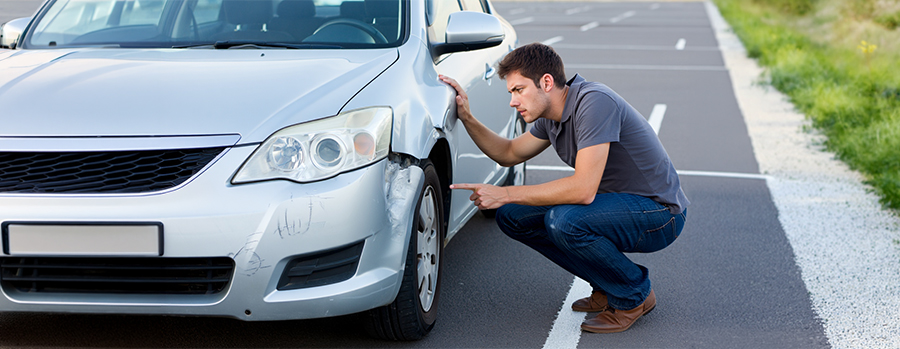
It happens in a heartbeat. You’re navigating a tight parking lot in Staples, or perhaps a sudden stop on a winding Minnesota road that leads to the unmistakable thud.
You step out, inspect the
damage, and see it: a cracked, scuffed, or hanging bumper.
While it’s tempting to dismiss
a "fender bender" as a purely cosmetic headache, modern automotive
engineering has turned the humble bumper into a sophisticated piece of safety
technology.
At Nyhus’s Collision Center & Body Shop, we believe that an informed driver is a safer driver. This guide dives deep into the world of car bumper repair, exploring when you can save your current part, when a replacement is non-negotiable, and why the tech hidden behind the plastic matters more than ever.
Understanding the Complexity of Bumper Parts
What looks like a simple dent or crack on the surface is often far more
complicated underneath.
Modern bumpers are not cosmetic panels bolted onto a vehicle. They are
carefully engineered safety systems made up of layered materials,
impact-management components, and sensitive electronics working together in
milliseconds during a collision.
1.
Bumper Cover: This is the visible, aerodynamic plastic (usually TPO or
Polycarbonate) that gives your car its sleek look.
2.
Energy Absorber: Often made of high-density
foam or honeycomb plastic, this layer sits directly behind the cover to soak up
low-speed impacts.
3.
Reinforcement Bar (Bumper Bar): The
"backbone" of the system. This heavy-duty metal bar is attached to
the vehicle’s frame and protects the engine and radiator during high-speed
collisions.
4.
Sensor Suite: Modern vehicles house ultrasonic parking sensors, radar
units for adaptive cruise control, and ambient temperature sensors within or
behind the bumper.
That means even minor-looking damage can affect structural alignment,
sensor calibration, or energy absorption performance without obvious visual
signs. Proper bumper collision repair isn’t just about restoring appearance.
It’s about restoring the bumper’s ability to protect, detect, and perform
exactly as the manufacturer intended.
When Can You Opt for Car Bumper Repair?
If the damage is localized to
the plastic cover and hasn't compromised the metal
reinforcement bar, repair is often the most efficient route. Here’s how the
professionals handle it:
Bumper
Scratch Repair & Scuffs
Minor abrasions are the most
common issues we see in Staples. A professional bumper scratch repair involves
more than just a "touch-up pen."
Technicians must sand the area
to the base material, apply a specialized plastic primer, and then use a
spectrophotometer to ensure a perfect paint match. This prevents the
"patchwork" look and protects the plastic from UV degradation.
Plastic
Bumper Repair & Cracks
For deeper gashes or cracks, we
utilize advanced plastic bumper repair techniques. One of the most effective
methods involves stainless steel reinforcements melted into the plastic using a
specialized thermal tool.
This "stitches" the
crack from the inside out, providing a structural bond that fillers alone
cannot achieve. Once the staples are set, the surface is smoothed with a
flexible body filler and refinished.
Dents
and Deformations
Thanks to the
"memory" of modern thermoplastics, many dents can be safely removed
using controlled heat and specialized shaping tools. This preserves the
original factory part and keeps the cost of bumper repair down.
Why "Minor" Damage Can Be Deceptive
A common mistake drivers make
is assuming that if the plastic looks "okay," the car is safe with
just repairs. However, front bumper repair often reveals hidden failures that
only a trained eye (or a diagnostic scan) can catch.
· Internal Stress Whitening: Even if the plastic doesn't crack, a hard impact can cause "stress whitening" in the polymer structure, making it brittle.
· Sensor Misalignment: A shift of just a few millimeters can cause your Forward Collision Alert or Park Assist to malfunction.
·
Bent Brackets: The clips and brackets that
hold the bumper in place are designed to break under pressure to save the
frame. If these are snapped, the bumper can vibrate or sag over time.
When Replacement is the Only Safe Option
At Nyhus, your safety is our priority. When
these four criteria are met, replacement is the only way to ensure your vehicle
performs exactly as it was designed to in an emergency.
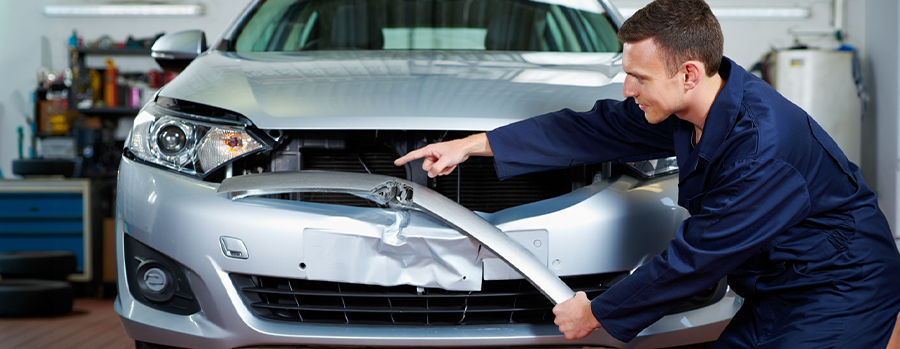
We will always recommend a full replacement
over a just a front-end collision repair if:
1.
Structural Integrity of the Reinforcement Bar
The plastic bumper cover you see on the outside is mostly for aesthetics
and aerodynamics. The Reinforcement Bar (Re-bar) hidden beneath it is
what actually saves lives.
The "One-Hit" Rule: Much like a bicycle
helmet, the reinforcement bar is designed to deform and absorb energy during an
impact. Once it has been dented, cracked, or bent, the metal has undergone
"work hardening" or structural fatigue.
Why Replacement is Mandatory: Attempting to "straighten" a high-strength steel or aluminum bar weakens the molecular structure of the metal. If you are in another collision, a repaired bar will not collapse at the rate intended by engineers, potentially transferring that deadly impact energy directly into the passenger cabin.
2.
The Critical Role of Mounting Tabs
Bumper covers are held in place by a series of molded plastic tabs and
clips that "snap" into the vehicle's frame or fender brackets.
The Fitment Failure: When these tabs are
snapped or stretched, the bumper loses its primary connection points. Even the
best industrial adhesives often fail to replicate the strength of the original
molded plastic.
Safety Risks at High Speeds: At highway speeds, your bumper is subject to significant wind resistance. If the mounting tabs are compromised, the bumper can vibrate, sag, or in extreme cases, partially detach. This can become a projectile hazard for you and other drivers.
3.
Structural Fatigue from Large Cracks
A crack in a bumper isn't just a cosmetic blemish; it’s a breach in the
component's structural "skin."
·
Stress Concentration: Small cracks can often be plastic welded. However, if a crack is more
than a few inches long or located near a mounting point, the "flex"
of the vehicle during normal driving will cause that crack to spread.
· Failure Under Pressure: A large crack acts as a failure point. If you hit a deep pothole or even a piece of road debris, a compromised bumper cover is much more likely to shatter or tear completely off than a factory-solid unit.
4.
ADAS Interference
Modern vehicles are packed with Advanced Driver Assistance Systems
(ADAS), including blind-spot monitoring, rear cross-traffic alerts, and parking
sensors. These sensors are often mounted directly behind or within the bumper.
·
Signal Attenuation: Radar waves are incredibly sensitive. When a bumper is repaired,
technicians use plastic fillers (bondo) and multiple layers of primer and
paint. If the material becomes too thick or dense in "keep-out
zones," it acts like a blindfold for your car’s sensors.
·
Ghosting and False Positives: Excessive repair material can cause the
radar signal to bounce back prematurely or "bloom," leading to false
collision warnings or, worse, the system failing to see a vehicle in your blind
spot. To maintain the calibration and reliability of these life-saving systems,
most manufacturers mandate a full replacement with un-repaired plastic.
Navigating the Cost of Bumper Repair
Understandably, every driver
wants to know the bottom line. The cost of bumper repair varies significantly
based on three main factors:
· Labor and Refinishing: A high-quality paint job requires a dust-free booth, premium clear coats, and hours of prep work.
· Parts: OEM (Original Equipment Manufacturer) bumpers are designed specifically for your car’s VIN, ensuring perfect fitment and sensor compatibility.
·
Calibration Fees: If your bumper houses sensors,
the vehicle must be calibrated post-repair. This is a technical process
involving specialized targets and software to ensure your safety systems
"see" the road correctly.
The final cost varies on these factors,
and transparent communication with your service advisor regarding them is
important. Give us a call at Nyhus, and we’ll let you know an estimate of the
repairs needed for your specific car.
While a "quick fix" might seem
cheaper today, a professional repair at a certified collision center protects
your vehicle’s resale value and, more importantly, its safety rating.
Don't Wait to Make the Right Choice!
Choosing a local expert for
bumper repair in Staples means choosing a team that understands the specific
challenges of Minnesota driving, from road salt corrosion to the impact of
extreme temperature swings on plastic flexibility.
Our collision center is
equipped with the latest diagnostic tools to ensure that when we finish a front-end
collision repair, your vehicle isn't just beautiful, it's factory-spec safe. We
work directly with insurance providers to streamline your claim, taking the
stress out of the process.
It’s easy to put off a bumper fix, especially if it’s "just a scratch." But your bumper is a complex system of protection and technology. By addressing issues early, you prevent moisture from reaching sensitive electronics and ensure that your car is ready to protect you if the unexpected happens again.