

Brake Repair Guide: Warning Signs, Fluid Maintenance, and Inspection Steps
Central Minnesota drivers experience a little bit of everything, heavy winter snow, slick spring rains, and stop-and-go seasonal traffic. Your vehicle’s brakes handle incredible stress to keep you and your passengers safe through it all.
So, whether you are commuting down Highway 10, planning a
weekend trip out to the surrounding lakes, or simply navigating daily errands
around town, your vehicle braking system is your most critical safety feature.
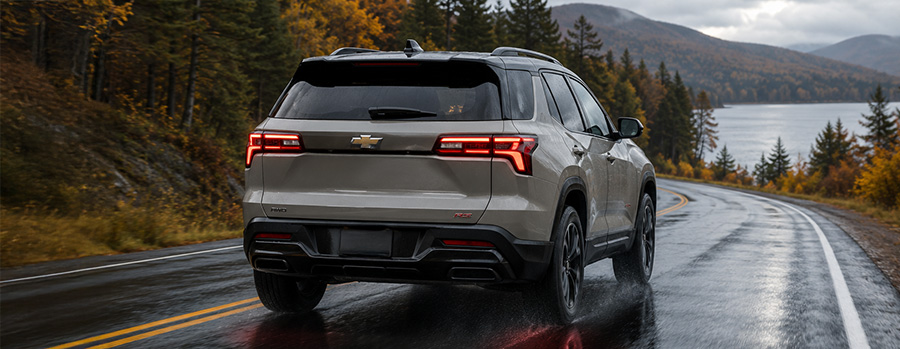
At Nyhus Chevrolet, we understand that keeping up with
automotive maintenance can sometimes feel overwhelming. However, delaying
necessary brake care can compromise your vehicle's handling and lead to much
more expensive repairs down the road.
This guide is designed to help local drivers understand
when it is time to seek professional maintenance and explore the full suite of
specialized services available right here in your backyard.
When Do
You Need a Brake Repair?
Your vehicle has built-in ways of letting you know when
something is wrong with its stopping power. If you experience any of the
following symptoms, it is time to look into expert brake repair Staples:
1.
High-Pitched
Squealing or Squeaking
Most
modern brake pads are engineered with a small metal component called a wear
indicator. When the friction material on the pad wears down to a critically low
level, this metal tab scrapes against the rotor, creating a loud, high-pitched
squeal whenever you apply pressure to the pedal.
Think of
it as a helpful warning alarm. If you schedule a checkup immediately, you can
usually replace just the pads before they cause severe damage to other
components.
2.
Harsh
Grinding Noises
If that
squeal transforms into a deep, metal-on-metal grinding sound, your brake pads
are likely completely worn out. At this stage, the metal backing plate of the
pad is pressing directly against the metal brake rotor.
This not
only dramatically increases your stopping distance, but it also scores and warps your rotors, making a more extensive mechanical
rebuild necessary.
3.
Spongy or
Soft Brake Pedal
When you
step on the brakes, the pedal should offer firm, predictable resistance. If the
pedal feels mushy, soft, or sinks all the way to the floorboard before the
vehicle begins to slow down, there is a serious issue within the hydraulic
system.
This
symptom typically points to an internal fluid leak, structural damage to a
brake line, or a significant amount of air trapped inside the lines.
4.
Vehicle
Pulling or Vibrations
If your
steering wheel shakes or your entire vehicle shudders when you apply the
brakes, you are likely dealing with warped rotors. Rotors can warp due to
excessive heat, hard braking patterns, or normal wear overtime.
Additionally,
if the vehicle noticeably pulls to one side when slowing down, a brake caliper
may be stuck, applying uneven pressure to only one side of the drivetrain.
What
Happens During a Professional Auto Brake Service

When you bring your car, truck, or SUV into a trusted
local service facility, a standard visual checkup is only the first step. True
peace of mind comes from a rigorous, multi-point evaluation. Professional auto
brake service Staples include deep-dive diagnostics that analyze every single
inch of your braking hardware:
-
Brake Pad Measurement: Technicians utilize precision
calipers to measure the exact remaining thickness of your inner and outer pads,
ensuring they comply with manufacturer safety limits.
-
Rotor Condition Evaluation: Rotors are checked for heat
spots, deep scoring, cracking, and uneven surface wear to determine if they can
be safely machined (resurfaced) or if they require full replacement.
-
Caliper and Hardware Inspection:Mechanical pistons, pins, and seals are inspected and lubricated to guarantee
that the calipers slide smoothly and release cleanly when you lift your foot
off the pedal.
-
Hydraulic Line Audit: All flexible and rigid fluid
lines are checked for rust, cracking, weeping, or external damage that could
lead to sudden pressure loss.
Importance
of Maintaining Brake Pads and Fluids
A vehicle's stopping mechanism relies on two fundamental
principles: hydraulic pressure and mechanical friction. To keep both systems
operating flawlessly, your vehicle requires periodic fluid care and material
replacements.
Professional
Brake Fluid Change Services
Brake fluid is the unsung hero of your hydraulic system.
When you press the pedal, fluid transfers that mechanical energy directly into
the calipers to squeeze the wheels to a stop.
However, automotive brake fluid is highly hygroscopic,
meaning it naturally absorbs moisture out of the surrounding air over time. As
moisture content increases inside your lines, two major problems occur:
·
The boiling point
of the fluid drops significantly. Under heavy braking conditions, such as
towing a trailer or driving down steep grades, the fluid can actually boil,
turning into a compressible gas and causing your brakes to suddenly fail.
·
Moisture causes internal rust and corrosion within
expensive components like your Master Cylinder and ABS modules. Investing in
routine brake fluid change services every two to three years completely clears
out contaminated fluid, protects expensive internal components.
Professional
Brake Pad Change Services
Because brake pads are designed to wear away gradually
over time, replacing them is an inevitability for every vehicle owner.
Depending on your
driving habits, local traffic, and the type of vehicle you drive, pads
typically last anywhere from 30,000 to 70,000 miles.
When you book a professional brake pad change service, you
aren't just getting new materials slapped onto your vehicle. Certified
technicians carefully clean the entire assembly, replace worn clips and
rattle-reducing hardware, and apply specialized high-temperature lubricants to
prevent future squeaking.
Choosing high-quality, OEM-certified pads ensures your
vehicle stops quietly, generates minimal dust, and maintains identical stopping
metrics to the day it rolled off the factory floor.
What Central Minnesota Drivers Ask About Brake Service
1.
How
much brake pad wear is considered dangerous?
Brake pad thickness is measured in millimeters (mm). Brand-new
pads typically start between 10 mm and 12 mm
-
4 mm to 5 mm: Time to start planning and scheduling a replacement appointment soon.
-
3 mm: Absolute legal and safety minimum.
-
2 mm or less: Critical safety hazard. At this point, your metal wear indicators will
be screaming, and immediate replacement is required to avoid rotor damage.
2.
Can I
just change my brake pads and not the rotors?
Yes, it is entirely possible to change just the pads, if your rotors are
still thick enough and perfectly flat. If the rotors show zero deep scoring or
heat damage, they can either be reused as-is or lightly "resurfaced"
(machined down to a perfectly smooth surface) to pair with your new pads.
3.
Why do
my brakes squeak first thing in the morning?
If you notice a brief squeak or grinding noise the first few times you
hit the brakes on a damp Central Minnesota morning, it may just be normal
surface moisture. Overnight humidity or rain causes a thin layer of rust to
form on the exposed steel of your brake rotors.
This surface rust is completely harmless and usually scrapes off
naturally within your first two or three stops down the block. However, if the
squeaking continues throughout your entire commute, it is a sign of permanent
wear.
4.
How
long does a standard brake service appointment take?
Because we optimize our shop workflow for efficiency, a routine front or
rear brake pad and rotor replacement typically qualifies for our same-day brake
service Staples, often taking anywhere from 1 to 2 hours once your vehicle is
positioned in the service bay.
If your vehicle requires deeper hydraulic diagnostic work, a full ABS
module audit, or custom brake line fabrication, our service advisors will keep
you updated on an exact timeline.
Why Choose Nyhus Chevrolet for Brake Service
in Staples?
Your brakes are one of the most important safety systems in your
vehicle, which is why quality service matters. At Nyhus Chevrolet, we offer an
efficient same-day brake service for many common repairs, helping you get back
on the road quickly.
Our factory-trained technicians service all makes and models, using
quality parts and advanced diagnostic equipment to accurately inspect, repair,
and maintain your braking system. Whether you need brake pads, rotor service,
brake fluid replacement, or a complete brake inspection, our team is equipped
to help.
Routine brake maintenance improves safety, helps prevent costly repairs, and keeps your vehicle performing at its best. Visit Nyhus Chevrolet in Staples, MN, or schedule your service appointment online today.