

Brake Faults & Repair Guide: 6 Signs that Your Brakes are Failing
When your brakes start acting up, they don't usually fail completely out of nowhere. Instead, they try to warn you.
They whisper, they groan, they vibrate, and sometimes they feel
completely different under your foot. Learning to
decode these warning signs early can mean the difference between a quick,
affordable fix and a terrifying moment on the road. Staying on top of your routine vehicle maintenance schedule makes it easy to handle
these quick fixes before they turn into expensive nightmares.
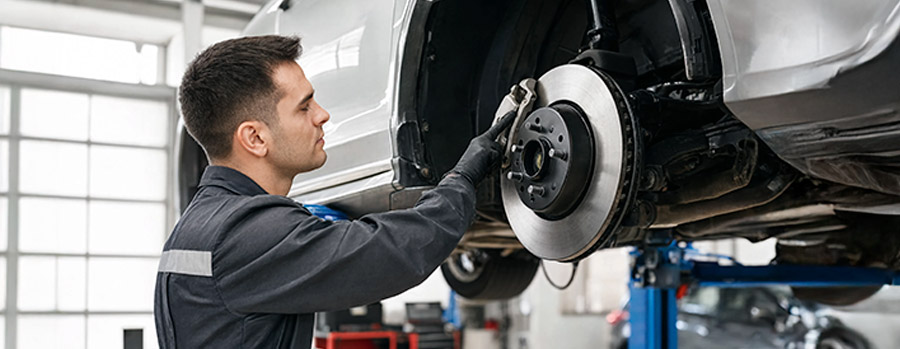
At Nyhus Chevrolet, we strive to make vehicle care easy for you. When it
comes to keeping your vehicle stopping safely, staying on top of Chevy brake
service in Staples is the best way to protect your drive. Let’s break down
exactly how your brakes talk to you, how to diagnose the trouble signs, and how
to get things running right again without the confusing mechanic
jargon.
Sign 1: The Spongy "Marshmallow" Pedal
If your
brake pedal feels soft, squishy, or sinks all the way to the floorboards before
your vehicle slows down, you are dealing with a hydraulic pressure issue.
Healthy brakes should always feel firm and resistant. When they feel elastic,
one of two things is happening:
-
Air in the Brake Lines: Brake fluid doesn't compress, but air does. If air bubbles get trapped
inside the lines, pressing the pedal simply squishes the bubbles like tiny
balloons instead of forcing the fluid to push your brake pads against the
wheels.
-
Brake Fluid Moisture-Absorption: Brake fluid acts like a sponge for water,
drawing moisture out of the air over time. When your brakes get hot during
heavy stop-and-go driving, that trapped water boils into steam. Because steam
is a gas, it compresses easily under your foot, leaving you with a sudden,
dangerous loss of pedal response.
Sign 2: Driveway Puddles and Low Fluid
If you
have to pump your brakes to get the car to stop, or if the dashboard brake
warning light pops on, you are likely dealing with a physical brake fluid
leak.
-
How to spot it: Fresh brake fluid is clear or amber-colored and feels oily (turning
dark, muddy brown as it ages). Look for slick puddles forming right inside your
tires or directly under the engine bay.
-
Where it hides: Leaks usually strike at weak points like aging, cracked rubber hoses,
loose line fittings, or worn-out seals inside your wheel calipers.
Sign 3: Sounds & Alarms
Your
brakes are incredibly vocal when they wear down, using distinct sounds to warn
you before a total mechanical failure.
-
The High-Pitched Squeal: Brake pads have a built-in metal clip called a wear indicator. When the
friction material gets dangerously thin, this clip scrapes against the spinning
rotor, creating a piercing squeak every time you slow down. Consider it an alarm clock telling you it's time for
new pads.
-
The Metal-on-Metal Grind: If you ignore the squeal, the friction material disappears entirely.
Now, raw steel backplates are gouging directly into raw steel rotors. It sounds
like a garbage disposal full of rocks, ruins your rotors instantly, and
severely drops your stopping power.
Sign 4: The Highway Shiver (Vibrations)
If your
steering wheel or brake pedal shakes violently when braking at highway speeds,
you are likely dealing with warped rotors. Rotors need to be perfectly
flat for your pads to clamp onto smoothly. Excessive heat can create rotor
surface irregularities or uneven pad deposits that cause vibration during
braking. Every time the pads squeeze that uneven surface, it sends a rhythmic
wobble right up the steering column.
Sign 5: Pulling to One Side
Your
vehicle should track perfectly straight when stopping. If it violently pulls or
steers itself to the left or right the moment you hit the pedal, your braking
force is uneven. This typically points to a stuck caliper frozen by rust
and road debris, or an internal brake hose that has collapsed and starved one wheel of hydraulic pressure.
Sign 6: A Pungent Burning Smell
A sharp,
chemical burning odor after hard braking means your
friction components are dangerously overheated. This usually happens when a
stuck caliper keeps the pads tightly clamped against the rotor while you drive.
The massive friction heat can cause your brake fluid to boil instantly,
triggering a total loss of stopping power.
Finding
the Root Cause
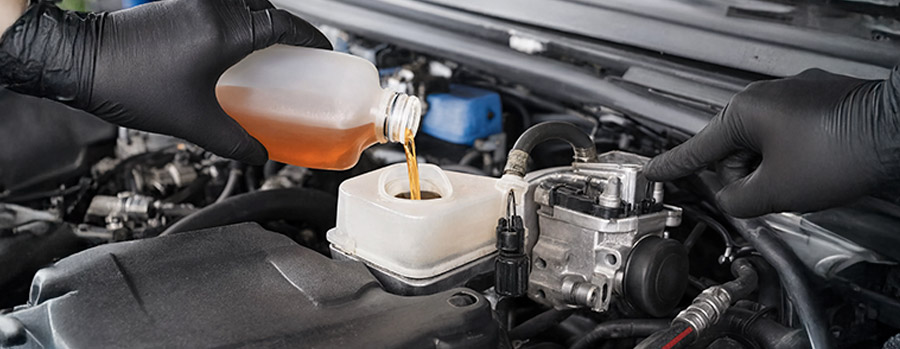
Professional
mechanics don’t guess when it comes to your safety. They isolate the issue
using a strict three-step diagnostic plan:
-
Mechanical Multi-Point Check: Technicians run a physical
inspection to check pad thickness, ensure calipers move freely, and inspect
rotors for warping or deep grooves.
-
Chemical Fluid Test: Using a digital tester, they check the moisture levels inside your
reservoir. Elevated moisture levels can significantly reduce braking
performance and are often grounds for fluid
replacement.
-
Pressure Testing: They apply a specialized
pressure test to the hydraulic lines to expose hidden hairline cracks or leaks
underneath the chassis.
The Fix:
Flushing the System Clean
If your
parts are solid but your fluid is contaminated with
air, dirt, or water, a simple top-off won't fix the issue. You need a clean
slate via a professional brake fluid exchange service.
A
technician hooks up a specialized flush machine to the master cylinder, forcing
fresh, clean fluid through the entire system under pressure. While the new
fluid flows in, the mechanic opens the bleeder valves at each individual wheel,
pushing out the old, dark, contaminated fluid and trapped air bubbles. The
valves are locked down only when bright, clean, bubble-free fluid emerges.
What Does a Brake Fluid
Exchange Cost?
Nobody loves spending money on car maintenance, but keeping your fluid
fresh is actually a massive money saver. A standard, professional brake
fluid exchange cost is surprisingly affordable, usually running anywhere
between $100 and $170 depending on what you drive.
Compare that small cost to the thousands of dollars you'd have to pay to
replace a rusted-out anti-lock braking (ABS) computer module or a ruined master
cylinder that got corroded by old, water-logged fluid.
Quick
Brake Troubleshooting Guide
|
What You Feel, See, or Hear
|
What’s Likely Causing It
|
How to Fix It
|
|
Spongy, soft, or sinking pedal
|
Trapped air or water contamination
from moisture absorption
|
A complete system flush, fluid
exchange, and line bleed
|
|
Oily amber puddle near the tires
|
A broken caliper seal or a
dry-rotted rubber brake hose
|
Replace the damaged component and
bleed the lines
|
|
Pedal slowly sinks while stopped at
a light
|
An internal leak inside your master
cylinder
|
Replace the master cylinder assembly
|
|
Brake warning light on the dashboard
|
Low fluid level or a bad electronic
sensor
|
Track down the leak, repair it, and
top off the fluid
|
|
High-pitched squealing while
stopping
|
Worn brake pads reaching their wear
indicators
|
Install fresh brake pads
|
|
Harsh metal-on-metal grinding sound
|
Completely worn
out pads cutting into the metal
|
Replace pads and damaged rotors
immediately
|
|
Steering wheel shakes when braking
|
Overheated, warped brake rotors
|
Resurface or replace the brake
rotors
|
|
Car pulls to one side when hitting
the brakes
|
A frozen caliper or collapsed
internal brake line hose
|
Replace the bad caliper or damaged
brake hose line
|
|
Pungent, burning chemical smell from
wheels
|
Stuck caliper causing massive
friction heat
|
Unstick or replace the caliper;
inspect pads for heat damage
|
Don't
Guess When It Comes to Stopping
Your brakes aren't just another mechanical system on your car; they are
your ultimate safety net. A soft pedal, an annoying squeak, or a tiny puddle on
your driveway might not seem like a massive
deal on a sunny afternoon, but it drastically limits your ability to
stop in a sudden emergency traffic jam or a heavy rainstorm.
Never ignore a change in how your brakes feel, and don't rely on cheap,
uncertified quick-fixes. Keeping the fluid clean, dry, and leak-free keeps your
vehicle operating smoothly, extends the lifespan of your expensive braking
parts, and keeps you completely in control every time you hit the road.
Is your brake pedal feeling a little too soft lately, or are your wheels
making strange noises?
Contact the team at Nyhus Chevrolet today to set up a professional brake inspection and keep your stopping power at 100%!