

Hail Damage Repair: How a Body Shop Can Restore Your Vehicle in Staples
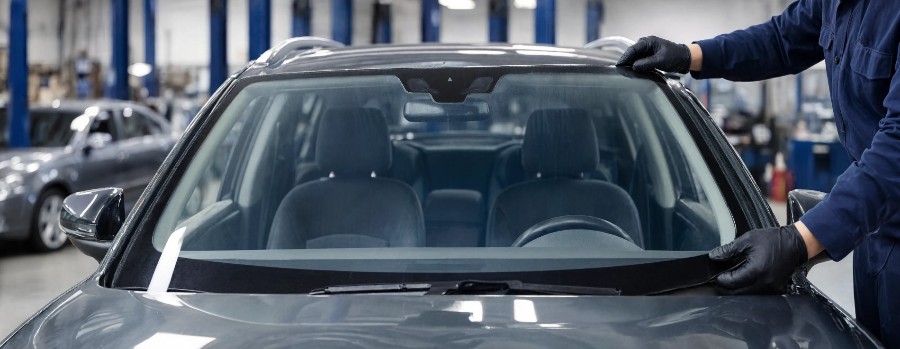
Minnesota weather can be unpredictable. One minute, your vehicle is parked outside looking perfectly fine; the next, a sudden hailstorm leaves its hood, roof, and doors covered in dents. Even relatively small hailstones can leave noticeable marks, while larger stones can damage paint, crack glass, and affect exterior panels.
The good
news is that a professional body shop can repair many types of hail damage.
The appropriate method depends on the size and depth of the dents, the
condition of the paint, and whether any other parts of your vehicle have been
affected.
If your
car, truck, or SUV has recently taken a beating from a hailstorm, understanding
your repair options can help you determine the next steps. At Nyhus Chevrolet
in Staples, MN, drivers can turn to the Collision Center and Body Shop for
assistance with dent repair, paint services, and other bodywork.
How Does Hail Damage Affect Your Vehicle?
Hail
damage can range from a few shallow dents to extensive exterior damage.
Although the marks might initially seem cosmetic, a closer inspection can
reveal additional problems.
Common
signs of hail damage include:
·
Dents on the hood and roof: These broad, relatively flat panels often collect multiple impacts
during a storm.
·
Dings on doors and fenders: Hailstones can leave scattered dents across your vehicle's side panels.
·
Chipped or cracked paint: Strong impacts may damage the paint finish, potentially exposing the
underlying metal.
·
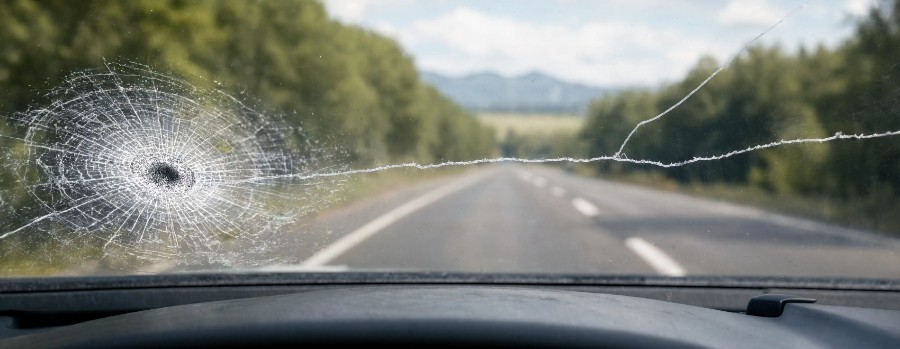
Cracked windows or windshields: Larger hailstones can damage automotive
glass and interfere with visibility.
·
Damage to exterior components: Mirrors, trim pieces, and other exposed
components may also require attention.
Even if
your vehicle remains drivable, it is worth having the damage assessed.
Identifying the extent of the problem early can help you understand which
repairs are necessary and prevent paint damage from being overlooked.
What Types of Hail Damage Can a Body Shop
Repair?
The
right repair method depends on the condition of the affected panels and the
severity of the damage. Here are two common approaches body shops may use.
1.
Paintless Dent Repair (PDR)
Paintless
dent repair is often an effective option for minor hail damage. This technique
involves carefully manipulating the damaged metal from behind the panel or
using specialized tools to restore its original shape.
Unlike
conventional dent repair, PDR generally does not require sanding, filling, or
repainting the affected area.
Paintless
dent repair may be suitable when:
·
The dents are relatively shallow.
·
The original paint remains intact.
·
The metal has not stretched or creased significantly.
·
The technician can access the damaged area and work the metal back into
shape.
One
advantage of PDR is that it can preserve the vehicle's original factory paint.
Depending on the number of dents and their accessibility, it may also be less
time-consuming than traditional bodywork.
However,
paintless dent repair is not suitable for every situation. Deep dents, sharp
creases, damaged paint, and severely stretched metal may require a different
approach.
2.
Traditional Dent Repair and Repainting
When
hailstones cause more substantial damage, conventional body repair may be
necessary.
This
process typically involves assessing the damaged panel, reshaping or repairing
the metal, applying body filler where appropriate, and refinishing the surface
to match the surrounding paint.
Depending
on the damage, a technician may also recommend repairing or replacing a panel.
Traditional
bodywork may be appropriate when:
·
The paint is chipped, cracked, or scratched.
·
The metal is deeply dented or creased.
·
The panel has sustained extensive damage.
·
Paintless dent repair cannot restore the panel satisfactorily.
The
objective is to restore the panel's appearance while ensuring the repair is
appropriate for the vehicle's materials and construction.
Your
body shop can inspect the affected areas and explain which method is most
suitable for your vehicle.
How Does a Body Shop Assess Hail Damage?
Before
recommending repairs, a body shop will evaluate the extent of the damage. This
assessment helps determine the work involved and provides a clearer picture of
the expected repair costs.
The
process generally includes the following steps.
1.
Inspecting the exterior: The technician examines the hood, roof, trunk, doors, fenders, and
other exposed surfaces for dents, paint damage, and visible imperfections.
2.
Identifying the repair method: Based on the depth and location of the dents and the condition of the
paint, the technician determines whether paintless dent repair, conventional
bodywork, or a combination of methods may be appropriate.
3.
Checking for additional damage: The inspection may identify cracked glass, damaged trim, or other
components that need attention.
4.
Preparing a repair estimate: The estimate outlines the recommended work and its anticipated cost. If
you plan to file an insurance claim, the estimate can also help you discuss the
damage with your insurer.
A
thorough assessment is especially important when a vehicle has dozens of small
dents. Individual marks may appear minor, but repairing widespread hail damage
can involve considerable time and labor.
Does Insurance Cover Hail Damage?
Hail
damage is often covered by comprehensive auto insurance, provided your policy
includes that coverage and the claim meets its terms. However, coverage,
deductibles, and exclusions vary by policy.
If a
hailstorm damages your vehicle, consider these steps:
·
Document the damage: Take clear photographs of the affected panels and any cracked glass.
·
Review your policy: Check your comprehensive coverage and deductible.
·
Contact your insurer: Ask about the claims process and whether an inspection is required.
·
Obtain a repair estimate: Have the damage assessed so you can understand the likely repair costs.
Before
authorizing repairs, clarify any requirements with your insurance provider. You
can also ask your body shop about assistance with the claims process.
Remember
that the deductible is generally your responsibility when you file a covered
claim. For minor damage, compare the estimated repair cost with your deductible
before deciding whether to submit a claim.
Get Hail Damage Repair Assistance at Nyhus
Chevrolet in Staples, MN
After a
hailstorm, you shouldn't have to guess which dents can be repaired or how much
work your vehicle needs. A professional inspection can help you understand the
available options and decide how to move forward.
At Nyhus
Chevrolet's Collision Center and Body Shop in Staples, MN, drivers can seek
assistance with dent repair, paint services, and other body repairs. The team
can assess your vehicle's visible damage and help you understand the next steps
toward restoring its appearance.
Whether
you drive a Chevrolet Silverado, Equinox, Traverse, or another make and model,
arranging an assessment is a practical first step after a hailstorm.
Don't let hail damage go unchecked. Contact Nyhus Chevrolet to request a repair estimate and discuss your vehicle's needs.