

Driver-Assistance Systems: When Do Cameras and Sensors Need Calibration?
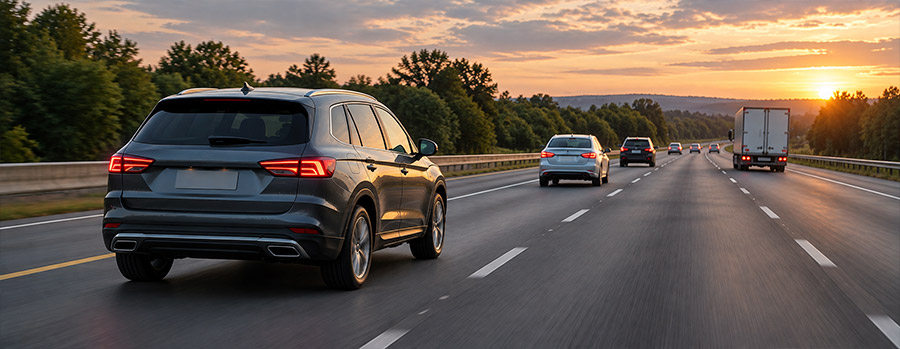
Whether you're driving along Highway 10, heading through Staples, or traveling on the roads around central Minnesota, your Chevrolet's driver-assistance technology can provide an extra layer of support behind the wheel. Depending on your model and its available equipment, these systems can help you maintain your lane, monitor nearby traffic, maintain a safe following distance, and alert you to potential hazards.
Behind
these features are cameras, radar sensors, and electronic systems that work
together to interpret what's happening around your vehicle. While they often
operate without requiring your attention, they depend on accurate positioning
and reliable communication to function as intended.
At Nyhus
Chevrolet in Staples, we understand the importance of keeping your vehicle's
technology functioning properly. If a safety feature stops working, displays a
warning, or behaves differently than expected, our service team can help
determine whether your Chevrolet needs system diagnostics, calibration, or
additional repairs.
What Are Advanced Driver Assistance Systems
in Chevrolet Vehicles?
Advanced
Driver Assistance Systems, commonly known as ADAS, use cameras, radar, and
other vehicle technology to help drivers recognize potential hazards and
respond to changing road conditions.
Depending
on the Chevrolet model, year, and equipment, these systems may include:
- Forward Collision Alert: Helps warn drivers of potential front-end collisions.
- Automatic Emergency Braking: Can apply braking in certain situations when a potential collision is detected.
- Lane Keep Assist with Lane Departure Warning: Can provide steering assistance and alerts when the vehicle unintentionally moves out of its lane.
- Adaptive Cruise Control: Helps maintain a selected following distance from a vehicle ahead when equipped.
- Side Blind Zone Alert: Can warn drivers about vehicles detected in adjacent blind zones.
- Rear Cross Traffic Alert: Helps identify approaching traffic when reversing out of a parking space.
- HD Surround Vision: Available on select models to provide camera views around the vehicle.
Feature
availability and operation vary by Chevrolet model and configuration. Some
systems also require the driver to remain attentive and ready to take control.
These
technologies rely on accurate information from their cameras and sensors. If a
component becomes misaligned, damaged, obstructed, or disconnected, the vehicle
may not interpret its surroundings as intended.
That is
why Chevrolet ADAS service involves more than clearing a warning
message. Proper diagnosis helps determine whether the issue involves
calibration, a faulty component, wiring, software, or another underlying
concern.
When Does Your Chevrolet Need Camera or
Sensor Calibration?
Unlike
routine maintenance items such as engine oil or air filters, ADAS calibration
does not follow one universal mileage interval. It is generally performed when
required by the manufacturer's procedures following certain repairs, component
replacements, or changes that could affect system alignment.
Here are
some situations in which your Chevrolet may need an inspection or calibration.
After
Windshield Replacement
Many
Chevrolet models use a forward-facing camera mounted near the windshield, often
around the rearview mirror. This camera may support features such as lane
assistance, forward collision alerts, and other driver-assistance functions.
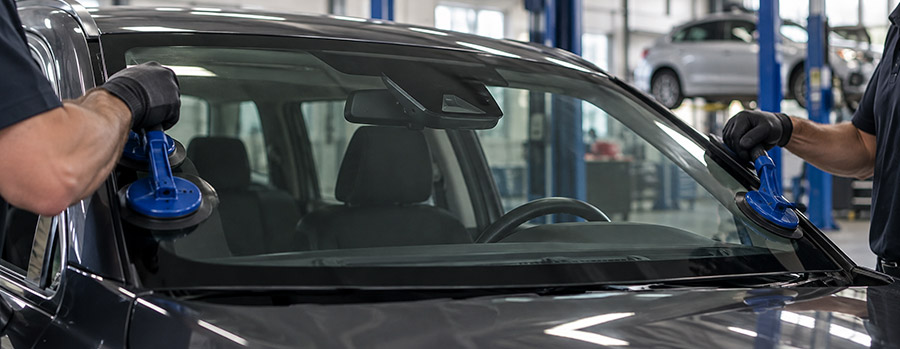
Replacing
the windshield can affect the camera's mounting position or its view of the
road. Depending on the vehicle, camera calibration may be required after the
glass is replaced.
Even
when a replacement windshield looks identical to the original, the camera may
still require a specific calibration procedure to operate according to
manufacturer specifications.
If
you've recently had windshield work completed on your Chevrolet, check whether
the applicable camera calibration requirements were followed.
Following
a Collision or Front-End Repair
A
collision does not have to leave major visible damage to affect a
driver-assistance sensor.
Radar
units and other components may be mounted behind the grille, within the front
bumper area, or elsewhere around the vehicle. An impact can affect a sensor,
its bracket, or the structure supporting it.
For
example, a Chevrolet repaired after a parking-lot collision may require more
than bumper replacement and paintwork if the impact involved a sensor mounting
area.
Depending
on the damage and repair procedures, the vehicle may need diagnostic testing,
sensor alignment, calibration, or component replacement.
After
Repairs Involving Sensors or Cameras
Work
involving a front bumper, grille, exterior mirrors, rear bumper, suspension, or
other sensor-related components may affect ADAS operation.
Not
every repair automatically requires calibration. The need depends on the
Chevrolet model, the component involved, and the manufacturer's service
instructions.
A
professional inspection can help establish which procedures are necessary
before you rely on the affected features again.
After
Suspension or Wheel Alignment Work
Changes
to suspension geometry or wheel alignment can affect how some driver-assistance
systems interpret the vehicle's position and direction of travel.
On
certain Chevrolet vehicles, specific alignment-related repairs may require ADAS
calibration or verification. This is especially important when the repair
procedure or manufacturer guidelines call for it.
If your
vehicle has undergone suspension repairs or a significant alignment correction,
ask whether its driver-assistance systems also need to be checked.
Warning Signs Your Chevrolet's
Driver-Assistance Systems Need Attention
Your
Chevrolet may provide a dashboard message when a safety feature is unavailable
or when the vehicle detects a system-related concern. Other problems may become
noticeable through changes in how a feature operates.
Consider
arranging a professional inspection if you notice any of the following.
1.
Driver-assistance warning messages
Messages
indicating that a forward collision, lane assistance, or other
driver-assistance feature is unavailable may point to an obstruction, sensor
concern, calibration requirement, or electrical issue.
2.
Safety features become unavailable
If a
feature that normally operates is suddenly disabled, the vehicle may have
detected a condition that prevents it from functioning. Weather, dirt, snow,
ice, and poor visibility can also affect certain systems, so calibration is not
always the cause.
3.
Unexpected alerts or system behavior
Repeated
warnings that do not appear consistent with surrounding traffic, or
driver-assistance functions that behave differently than expected, deserve
attention. The cause should be diagnosed rather than assumed to be a misaligned
sensor.
4.
Recent windshield replacement
If your
Chevrolet has a windshield-mounted camera, glass replacement may require a
manufacturer-specified calibration procedure. Confirm that the procedure has
been completed when applicable.
5.
Recent collision or bumper repairs
If your
vehicle has experienced front-end or rear-end damage, the associated sensors
and mounting points may need to be inspected even when the visible repairs
appear complete.
6. A
blocked or damaged camera or sensor area
Road
grime, snow, ice, damaged covers, or other obstructions can interfere with some
driver-assistance features. Follow your owner's manual for cleaning and care
instructions, and have damaged components inspected.
The
important distinction is that a warning does not automatically mean a camera or
sensor has failed. The system may need cleaning, diagnostics, calibration,
repair, or a combination of these steps.
Why ADAS Calibration Matters After a
Collision
After an
accident, it's natural to focus on the visible damage. A dented bumper, cracked
grille, damaged headlamp, or scraped paint makes the need for bodywork obvious.
Modern
Chevrolet vehicles, however, may also have cameras, radar sensors, and other
safety-related components installed in or around these areas.
Even a
relatively minor collision can affect the position of a sensor or its mounting
bracket. If the vehicle requires calibration following the repair, overlooking
that step can leave the associated driver-assistance system operating outside
its intended specifications.
Chevrolet
collision sensor calibration may therefore be an important part of the repair process when required
by the manufacturer's procedures.
The
appropriate process depends on the damage, the components involved, and the
vehicle's specific requirements. A repair facility should identify which
systems need inspection and complete the applicable diagnostics and calibration
procedures.
After
collision-related repairs, it is also important to understand that
driver-assistance features are designed to assist the driver, not replace
attention, judgment, or safe driving practices.
Keep Your Chevrolet's Driver-Assistance
Technology Ready for the Road
Chevrolet
driver-assistance features can provide valuable support during everyday
driving, from commuting through Staples to traveling along Minnesota highways.
But their performance depends on properly functioning components and the
correct calibration when required.
Need Chevrolet ADAS service in Staples, MN? Contact Nyhus Chevrolet to discuss your vehicle's warning messages or recent repairs and arrange an inspection. Our team can help you determine the appropriate next steps so you can drive with a better understanding of your vehicle's safety technology.