

What Causes Engine Faults and Service Engine Lights? A Chevrolet Owner's Guide
Few dashboard warnings create more uncertainty than an unexpected Check Engine Light. One moment, your Chevrolet is running normally. The next, an engine-shaped warning light appears, leaving you wondering whether it is safe to keep driving or if you need immediate engine service.
For Chevrolet owners in Staples, an
engine warning can have many possible causes. Sometimes the issue is relatively
minor, such as a loose fuel cap. In other situations, the warning may point to
a misfire, overheating concern, fuel system issue, or another problem that
requires professional car engine repair.
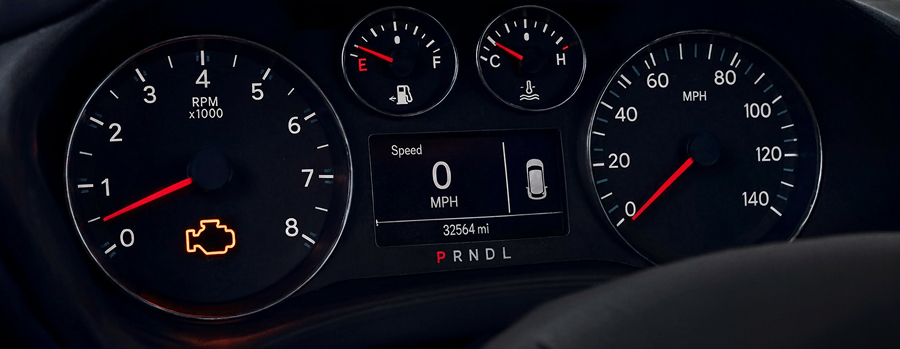
At Nyhus Chevrolet, our experienced technicians provide professional auto engine service for drivers throughout Staples and the surrounding area. Understanding what your warning light may be telling you can help you know when to schedule service and when your vehicle needs immediate attention.
What Does an Engine Fault or Service Engine Light Mean?
Your Chevrolet's Check Engine Light is
part of its onboard diagnostic system. Modern vehicles constantly monitor
important systems that affect engine performance, fuel delivery, emissions,
ignition, and more.
When the system detects an issue outside
its expected operating range, it stores a diagnostic trouble code and may
activate the Check Engine Light.
This does not automatically mean your
engine is seriously damaged. However, the warning should not be ignored.
Common issues that may trigger an engine
fault include:
·
Loose or damaged fuel cap
·
Engine misfires
·
Worn spark plugs or
ignition components
·
Fuel system problems
·
Air intake issues
·
Faulty sensors
·
Emissions system concerns
·
Cooling system problems
·
Electrical or wiring
faults
The only reliable way to determine the cause is through proper diagnostics. Simply clearing the warning light may temporarily remove the message without actually fixing the problem.
Why Is My Chevrolet Check Engine Light On?
One of the most common questions drivers
ask is, "Why is my service engine light on?"
The answer depends on the diagnostic code
and how your vehicle is behaving.
A Loose or Damaged Fuel
Cap
A loose fuel cap can sometimes cause a
Check Engine Light. Modern Chevrolet vehicles monitor the evaporative emissions
system, and a loose cap may affect the system's ability to maintain pressure
correctly.
Before assuming a major repair is needed,
make sure the fuel cap is properly secured. If the light remains on after
several drive cycles, the vehicle should be inspected.
However, a fuel cap is only one possible cause. If your Chevrolet is also running rough, losing power, or experiencing poor fuel economy, a more detailed diagnosis may be needed.
Engine Misfires and Ignition Problems
An engine misfire occurs when one or more
cylinders do not burn the air-fuel mixture correctly.
Possible causes include:
·
Worn spark plugs
·
Faulty ignition coils
·
Fuel injector problems
·
Air leaks
·
Fuel delivery concerns
·
Internal engine issues
You may notice rough idling, hesitation
during acceleration, reduced power, or increased fuel consumption.
Ignoring a persistent misfire can allow the problem to become more serious. Early car engine service can help identify the affected system before additional components are damaged.
What Does a Blinking Service Engine Light Mean?
A blinking service engine lightdeserves more immediate attention than a steady warning light.
On many vehicles, a flashing Check Engine
Light may indicate an active engine misfire that could potentially damage the
catalytic converter if the vehicle continues operating under certain
conditions.
If your Chevrolet's engine light begins
blinking:
1.
Reduce speed and avoid
hard acceleration.
2.
Do not continue placing
heavy loads on the engine.
3.
If the vehicle is running
severely rough or losing significant power, safely pull over.
4.
Arrange for professional
diagnosis as soon as possible.
A blinking warning is not something to ignore or simply reset. Prompt engine diagnostics can help protect your vehicle and potentially prevent a more expensive repair.
Fuel System Problems Can Affect Engine Performance
Your Chevrolet engine depends on the
correct amount of clean fuel being delivered at the right time.
Over time, fuel injectors and other fuel
system components can develop problems that affect performance.
Possible symptoms include:
·
Rough idle
·
Hesitation
·
Reduced acceleration
·
Poor fuel economy
·
Hard starting
·
Check Engine Light
activation
Chevrolet trucks and SUVs such as the
Silverado, Colorado, Equinox, Traverse, Tahoe, and Suburban may all experience
different engine concerns depending on their age, mileage, engine type, and
driving conditions.
Professional diagnostics help technicians determine whether the issue involves the fuel system, ignition system, air intake, sensors, or another component.
Engine Cooling Problems Should Never Be Ignored
Your engine produces significant heat
every time you drive. The cooling system helps maintain the proper operating
temperature and protects important engine components.
Low coolant, contaminated coolant, leaks,
a failing thermostat, or other cooling system issues can eventually contribute
to overheating.
Warning signs include:
·
Rising engine temperature
·
Coolant warning messages
·
Sweet-smelling odors
·
Coolant leaks
·
Steam from the engine
area
·
Reduced heater
performance
If your Chevrolet is due for maintenance,
an engine coolant flush service may be recommended based on the
vehicle's maintenance requirements and the condition of the cooling system.
A coolant service can help remove old fluid and replace it with the correct coolant specified for your Chevrolet. However, a coolant flush should not be treated as a solution for every overheating issue. If your engine is overheating, leaking coolant, or displaying warning messages, the system should first be properly inspected.
Can I Reset My Service Engine Light Myself?
Many drivers search for how to reset
service engine light warnings when the light appears.
A diagnostic scan tool may be able to
clear certain stored trouble codes. In some cases, the light may also turn off
automatically after the vehicle completes successful drive cycles and the
underlying issue no longer occurs.
However, resetting the warning light does
not repair the problem.
For example, if a failing ignition coil
causes an engine misfire, clearing the code may turn the light off temporarily.
But once the system detects the same issue again, the warning can return.
Disconnecting the battery to reset the
light is also not an ideal solution. It can erase stored diagnostic information
that may help identify the problem and can reset other vehicle systems and
readiness monitors.
The better approach is:
Diagnose the cause. Repair the issue.
Then clear the code when appropriate.
This helps ensure the warning light does not simply return later.
How Professional Chevrolet Engine Diagnostics Work
Modern Chevrolet vehicles rely on a
network of sensors, modules, and electronic systems. Because of this,
diagnosing an engine problem often requires more than simply reading a trouble
code.
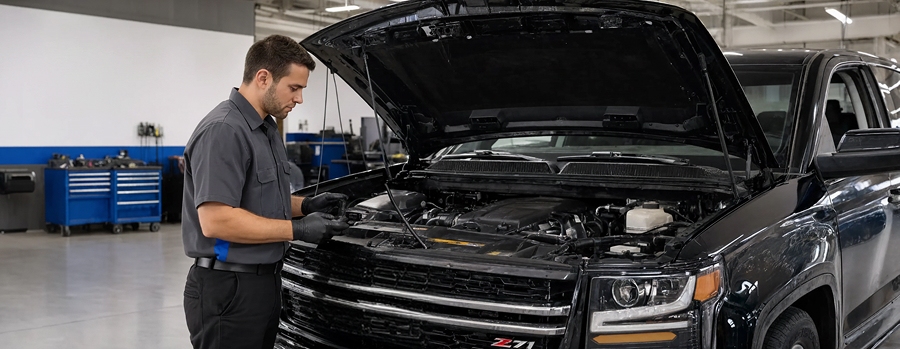
A professional auto engine serviceappointment may involve:
·
Retrieving diagnostic
trouble codes
·
Reviewing live engine
data
·
Inspecting ignition
system performance
·
Testing fuel delivery
·
Checking air intake
components
·
Inspecting sensors and
electrical connections
·
Evaluating cooling system
condition
·
Looking for leaks or
mechanical concerns
A trouble code helps point technicians in
the right direction, but the code itself is not always the final diagnosis.
For example, a code may identify a cylinder misfire, but additional testing is needed to determine whether the cause is a spark plug, ignition coil, injector, air leak, compression issue, or another concern.
When Should You Schedule Car Engine Service?
A steady Check Engine Light should be
addressed soon, especially if it remains on after several drives.
Schedule car engine service if you
notice:
·
A persistent Check Engine
Light
·
Rough idling
·
Poor acceleration
·
Reduced fuel economy
·
Difficulty starting
·
Unusual engine noises
·
Burning odors
·
Engine overheating
·
Coolant leaks
·
Loss of power
The earlier an engine problem is
diagnosed, the greater the chance of preventing additional damage.
For drivers around Staples, that can be especially important when your vehicle is used for daily commuting, longer drives through Central Minnesota, towing, hauling, or changing seasonal conditions.
Trust Nyhus Chevrolet for Engine Service in Staples, MN
When your Chevrolet displays an engine
warning, the best response is not to guess what the light means. Professional
diagnostics can identify the underlying issue and help you make an informed
decision about the next step.
At Nyhus Chevrolet, our service team can
help with engine fault service in Staples, routine maintenance, engine
diagnostics, cooling system inspections, engine coolant flush service, and
other car engine repair needs.
Whether you drive a Silverado, Equinox,
Traverse, Tahoe, Suburban, Colorado, Trailblazer, or another Chevrolet model,
proper maintenance and timely diagnostics can help protect performance and
reliability.
A steady warning light may be manageable,
but a blinking service engine light, overheating engine, or major loss of power
should never be ignored.
Schedule your Chevrolet engine service at Nyhus Chevrolet in Staples, MN, and let our experienced team help keep your vehicle ready for the road ahead.